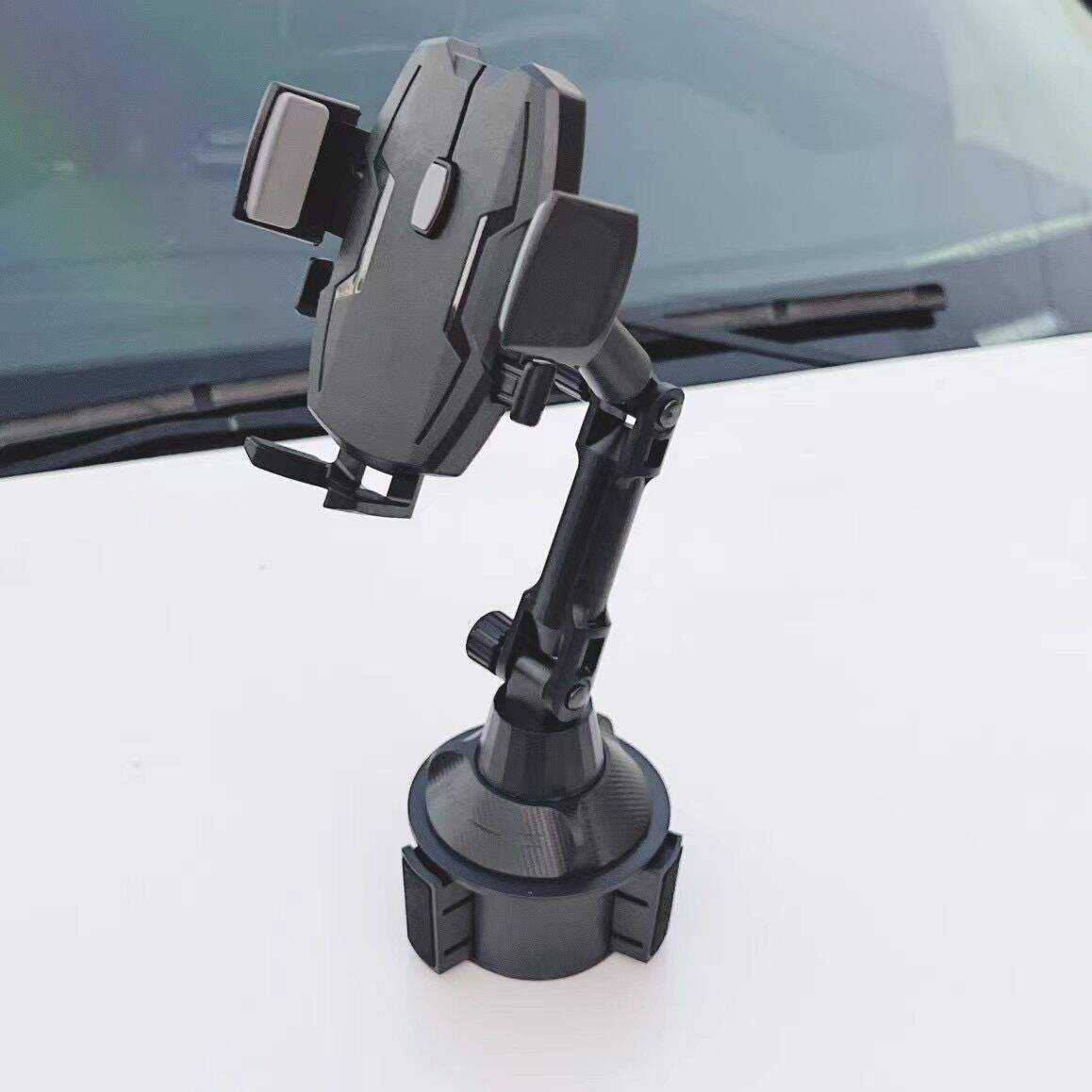
Many manufacturing enterprises keep facing frequent quality defects, short service life, and unstable assembly matching when using ordinary die casting components. Most factory operators only focus on surface dimensional accuracy, ignoring material compactness, internal stress distribution, and corrosion resistance under long-term working conditions. These invisible hidden problems gradually cause equipment failure, increased maintenance costs, and delayed delivery cycles, bringing continuous economic losses to industrial production. Choosing reliable aluminum alloy die casting components from professional manufacturers can fundamentally avoid these chronic production troubles and stabilize the entire processing chain.
Poor-quality die castings often have tiny internal pores that cannot be detected by simple appearance inspection. During high-temperature operation, air holes expand rapidly, leading to cracking, deformation, and air leakage failures. Conventional low-cost castings cannot meet tight tolerance requirements for automotive, communication, and intelligent equipment accessories, resulting in repeated debugging and scrapped finished products. Long-term friction and environmental erosion also accelerate surface aging, greatly reducing the overall safety and durability of mechanical assemblies. Professional customized die casting solutions from Xunfeiteng Precision Manufacturing adopt mature vacuum die casting processes to eliminate internal pore defects from the source.
The actual working environment of industrial parts is far harsher than laboratory test conditions. Humid air, oil corrosion, continuous vibration, and frequent temperature changes all test the comprehensive performance of aluminum die castings. Ordinary cast aluminum materials have weak oxidation resistance and low structural strength, which easily lead to deformation after long-time load operation. Unreasonable wall thickness design further intensifies internal stress concentration, causing sudden fracture accidents during equipment operation. Few purchasers fully compare material ratio, casting process, and post-processing technology, only pursuing unit price advantages, which eventually leads to higher overall comprehensive costs.
Different downstream industries have completely differentiated performance requirements for die casting accessories. Automotive structural parts demand high shock resistance and lightweight characteristics, electronic housing parts require tight sealing and dimensional consistency, and mechanical hardware parts need high wear resistance and stable machining performance. Blindly using universal standard castings cannot match personalized working conditions, resulting in mismatched assembly gaps and abnormal equipment operation. Targeted mold opening and customized production effectively match product parameters with actual application scenarios, greatly improving matching precision and operation stability.
Surface treatment quality directly determines the service cycle and anti-corrosion ability of aluminum die castings. Simple spraying treatment falls off easily after short-term use, exposing the base material and causing rapid rusting and oxidation. Unpolished rough surfaces increase friction resistance, consume more energy during equipment operation, and affect transmission efficiency. Standardized multi-stage post-treatment including polishing, anodizing, sandblasting, and electroplating comprehensively optimizes surface flatness and environmental adaptability. The professionally manufactured high-precision aluminum alloy die casting parts complete strict multi-process finishing to maintain stable performance in complex and harsh industrial environments.
Core Performance Comparison of Ordinary Die Castings & High-Precision Custom Die Castings
| Performance Index | Ordinary Low-Cost Die Castings | Premium Custom Aluminum Alloy Die Castings |
|---|---|---|
| Internal Structure | High pore rate, loose material structure | Dense structure, zero obvious internal pores |
| Dimensional Tolerance | ±0.15mm or larger error | Stable precision within ±0.02mm |
| High Temperature Resistance | Poor, easy deformation above 120℃ | Stable structure under continuous high temperature |
| Corrosion & Oxidation Resistance | Fast aging in humid and oily environments | Long-term anti-corrosion, stable in harsh conditions |
| Assembly Matching Effect | Frequent gaps and jamming problems | Perfect fitting, no repeated adjustment needed |
| Overall Service Life | 3–12 months unstable cycle | More than 3–5 years stable service |
Most hidden quality risks of die casting products originate from backward production processes and unscientific material ratios. Traditional gravity casting cannot control metal fluidity accurately, resulting in uneven material density and inconsistent mechanical strength. Small-scale workshops lack complete quality inspection systems, skipping pressure testing, air tightness testing, and precision dimensional detection procedures. Unqualified products flow into the market, causing chain failures in supporting equipment and bringing unpredictable safety hazards to automated production lines.
Lightweight aluminum alloy die castings have become mainstream supporting parts in modern intelligent manufacturing. Compared with iron and steel components, aluminum parts effectively reduce overall equipment weight, lower energy consumption, and improve flexible operation efficiency. Reasonable aluminum alloy proportioning balances light weight, rigidity, and pressure resistance, meeting lightweight upgrading demands of new energy vehicles, intelligent machinery, communication base stations, and industrial automation equipment. Reasonable structural optimization also reduces subsequent CNC machining procedures, shortening production cycles and lowering comprehensive processing costs for customers.
Long-term stable supply capacity is another key demand ignored by most buyers. Irregular manufacturers often have unstable mold opening cycles, delayed delivery, and inconsistent batch quality. Differences in raw material batches lead to obvious performance gaps between early and later products, disrupting continuous mass production of downstream factories. Formal precision casting enterprises adopt standardized full-process production management, realize unified mold management, fixed material formula, and full-inspection factory delivery, ensuring consistent quality across large-batch long-term orders.
To sum up, selecting aluminum alloy die casting parts cannot only focus on superficial price and appearance. Internal structural quality, process maturity, environmental adaptability, matching precision, and after-sales supporting capacity are all core indicators affecting actual production benefits. Solving deep-seated hidden faults of die castings fundamentally improves equipment operation stability, reduces maintenance loss and scrap cost, and helps enterprises achieve long-term stable and efficient industrial production.